
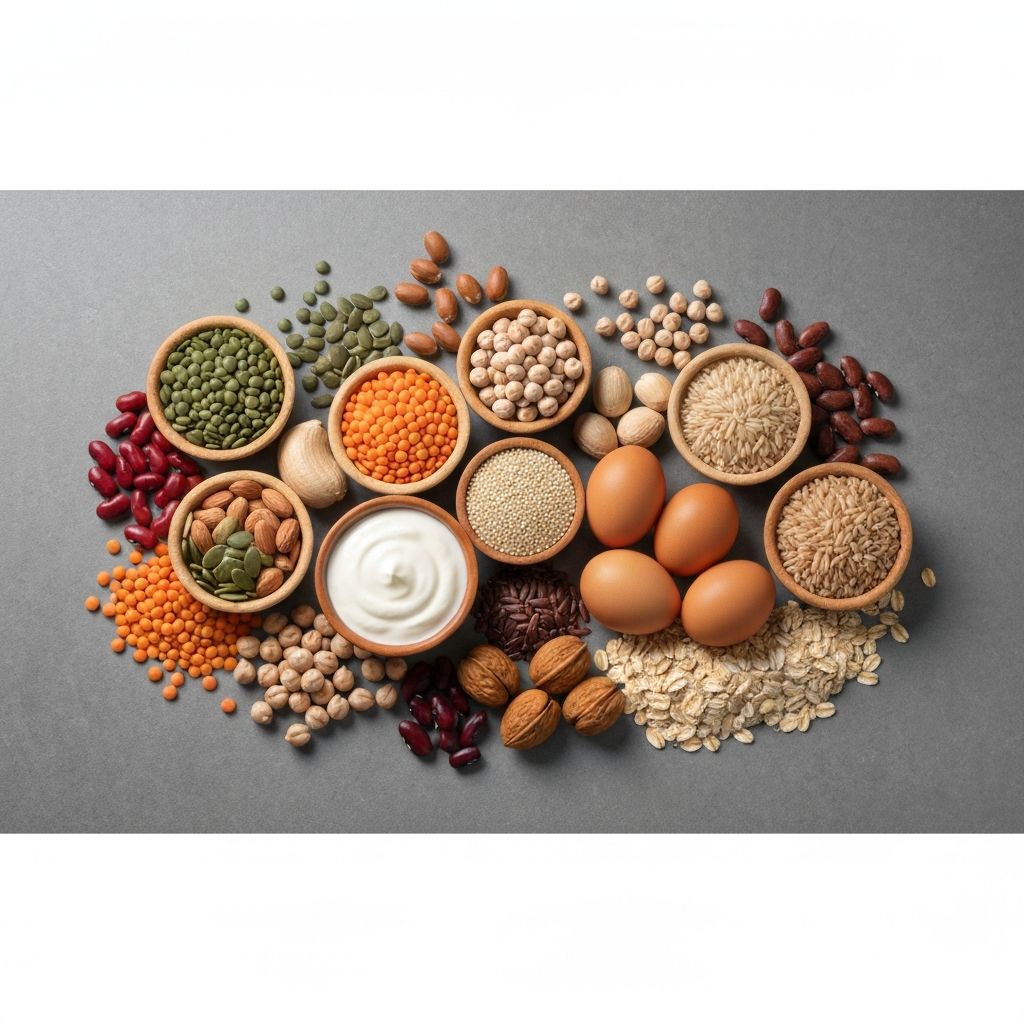
Protein: Sources and Physiological Functions
Exploration of amino acid composition, protein diversity, and metabolic roles in human physiology
Understanding Protein Structure
Proteins are complex molecules composed of amino acids—organic compounds linked in specific sequences. The human body contains approximately 20 amino acids, nine of which are classified as essential because the body cannot synthesise them and must obtain them from food sources. The remaining eleven amino acids are non-essential, as the body can produce them internally from other compounds.
Essential amino acids include leucine, isoleucine, valine, methionine, phenylalanine, threonine, tryptophan, histidine, and lysine. The pattern and balance of these amino acids varies across protein sources, influencing their nutritional quality and utilisation by the body.
Protein Functions in the Body
Structural roles: Amino acids form muscle tissue, connective tissue, skin, hair, and nails. Muscle protein undergoes continuous breakdown and synthesis—a process influenced by physical activity, nutrition, and age.
Enzymatic function: Proteins serve as enzymes, catalysing biochemical reactions throughout metabolism. Every enzymatic process depends on protein availability and function.
Hormonal regulation: Many hormones are proteins or peptides, regulating diverse physiological processes from appetite to growth.
Immune function: Antibodies and immune-regulating proteins protect against pathogens and support immune response.
Transport and storage: Proteins carry nutrients, oxygen, and other essential molecules throughout the body.
Energy provision: While not the primary fuel source, protein can be oxidised for energy when needed, providing approximately 4 calories per gram.
Animal-Based Protein Sources
Meat and poultry: Beef, pork, chicken, and turkey provide complete proteins containing all nine essential amino acids. They also provide B vitamins (particularly B12), iron, and zinc. Fat content varies based on cut and preparation method.
Fish and seafood: Salmon, cod, tuna, and shellfish offer complete proteins alongside omega-3 fatty acids (in fatty fish), iodine, and selenium. Different varieties provide varying fat and micronutrient profiles.
Eggs: Complete protein with an exceptional amino acid profile. Eggs also contain choline, lutein, and other bioactive compounds. The yolk contains nutrients including vitamin D, choline, and antioxidants.
Dairy products: Milk, yogurt, and cheese provide complete proteins and are primary sources of calcium and phosphorus. Fermented varieties (yogurt, cheese, kefir) contain beneficial bacteria. Lactose content varies across dairy products.
Plant-Based Protein Sources
Legumes: Beans, lentils, and peas provide substantial protein along with fibre and complex carbohydrates. Most legumes are incomplete proteins—lacking one or more essential amino acids—but combining different legumes or pairing legumes with grains creates complete protein profiles. Preparation method (soaking, cooking) influences nutrient bioavailability.
Whole grains: Quinoa, oats, barley, and other whole grains contribute protein alongside fibre and micronutrients. Quinoa is a complete plant protein, while most other grains require complementary foods.
Nuts and seeds: Almonds, peanuts, sunflower seeds, and flax seeds offer protein alongside healthy fats, fibre, vitamin E, and minerals. Nutrient density is high, but portion size affects caloric intake.
Soy products: Tofu, tempeh, and edamame are complete proteins containing all essential amino acids. Soy also provides iron, calcium (when processed with calcium sulphate), and isoflavones.
Protein Digestion and Absorption
Protein digestion begins in the stomach, where hydrochloric acid and pepsin break protein bonds. This process continues in the small intestine with pancreatic enzymes. The resulting amino acids are absorbed in the small intestine and transported to the liver, where they are distributed for utilisation throughout the body.
Digestion rate varies among protein sources. Animal proteins are typically digested more rapidly than plant proteins due to differences in structure and fibre content. Cooking method and food combination also influence digestive rate—for example, pairing protein with carbohydrates and fats slows digestion compared to consuming protein in isolation.
Digestibility is higher for animal proteins and processed plant proteins compared to whole plant foods, where fibre may limit amino acid absorption. Individual digestive capacity varies based on age, gut health, and enzyme production.
Protein Requirements and Individual Variation
Protein needs vary substantially based on age, activity level, muscle mass, and metabolic status. General dietary guidelines suggest approximately 0.8 grams per kilogram of body weight daily for sedentary adults. However, requirements increase for athletes (1.2–2.2 g/kg), older adults (1.0–1.2 g/kg), and individuals recovering from injury or illness.
Factors influencing protein needs:
Resistance training and muscle-building activity increase protein synthesis demands. Endurance training also increases protein turnover. Older adults experience reduced muscle synthesis efficiency, requiring higher protein intake to maintain muscle mass. Recovery from surgery or illness increases amino acid demand. Certain health conditions alter protein metabolism.
Individual responses to protein intake vary. Some people feel more satiated with higher protein meals; others experience different satiety patterns. Finding personalised protein intake that supports energy, muscle health, and satiety is more useful than applying universal recommendations.
Protein-Energy Interactions
Protein has the highest thermic effect of all macronutrients—approximately 20–30% of the energy from protein is expended during digestion, compared to 5–10% for carbohydrates and 0–3% for fats. This means a higher proportion of protein calories are used in the digestion process itself.
Protein also influences satiety signalling through multiple mechanisms: increased cholecystokinin (CCK) secretion, delayed gastric emptying, and effects on appetite-regulating hormones. This satiety effect contributes to the observation that higher-protein diets are often associated with stable energy intake in population studies.
Combining adequate protein with fibre, whole grains, and vegetables is associated with sustained energy and stable hunger and fullness patterns in many individuals.
This article provides educational information about protein physiology and food sources. It is not personalised nutrition advice. Individual protein needs vary based on health status, activity level, and metabolic factors. For specific guidance regarding protein intake, especially in the context of health conditions, athletic training, or dietary changes, consultation with a registered dietitian or healthcare professional is recommended.